
Polish proverbs and sayings
Proverbs are the hardest part of living Polish: you know every single word and still miss the point. Each one comes with a picture of the literal meaning, that is, what would happen if you took it at face value, and next to it an explanation of what it really means and when people say it.
-
Kto pod kim dołki kopie, ten sam w nie wpada.
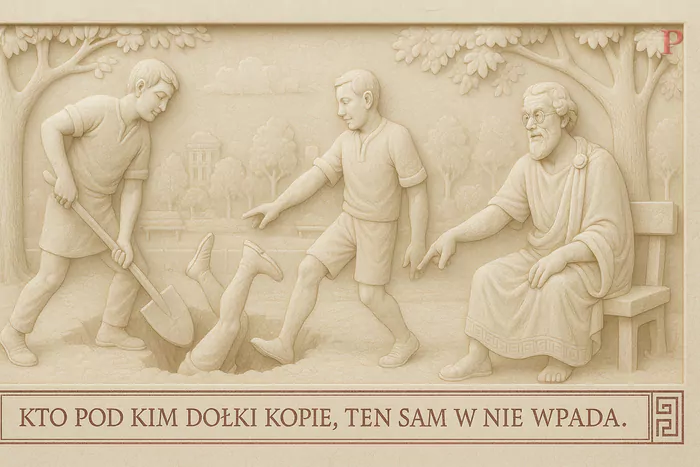
What it means: You say this when someone worked against another person and the harm finally fell on the schemer instead. It is a warning: do not plot, because it will come back on you. A typical situation: a colleague kept reporting on a co-worker in order to take his post, and was the one who lost the job.
The equivalent in your language: He who digs a pit for others falls into it himself.
-
Bez pracy nie ma kołaczy.
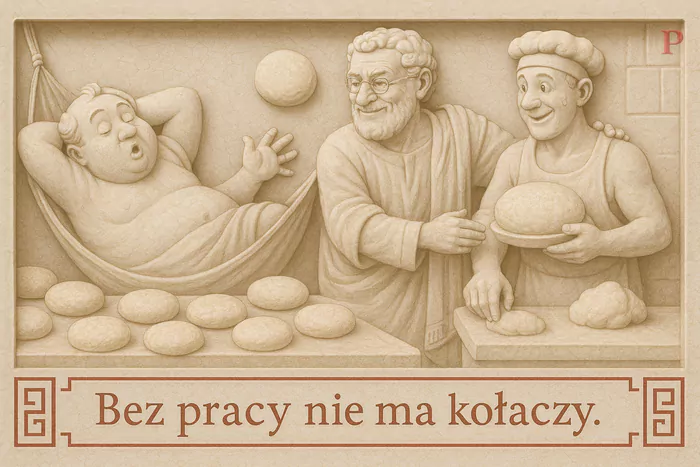
What it means: It means that the reward belongs to the person who put in the effort, because nothing comes by itself. You use it when someone wants a result without working for it, or when you encourage someone to keep going. A typical situation: a person complains about failing an exam although he never studied, and hears this proverb in reply.
The equivalent in your language: No pain, no gain.
-
Kto rano wstaje, temu Pan Bóg daje.
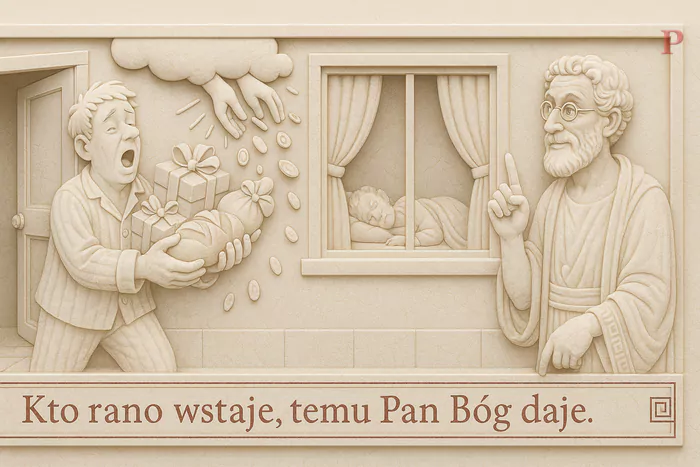
What it means: It means that whoever starts the day early gets more done and gains more. Poles say it half jokingly, to wake somebody up or to praise an early start. A typical situation: someone turns up at an office before opening time, sorts the matter out with no queue, and says this line to friends.
The equivalent in your language: The early bird catches the worm.
-
Nie mów hop, dopóki nie przeskoczysz.
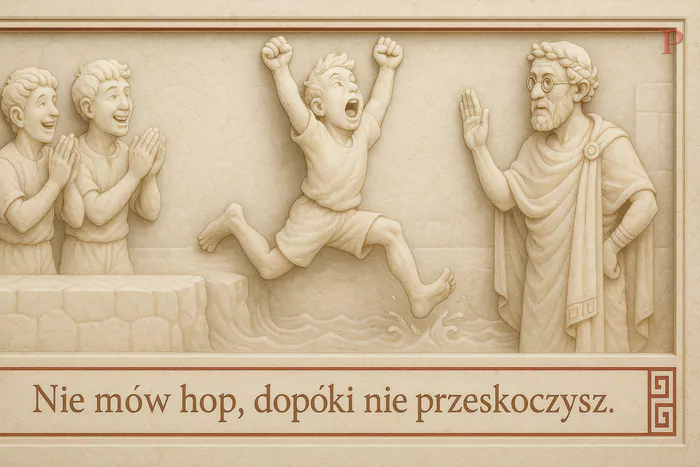
What it means: It means: do not celebrate or boast about a success before the matter is really finished. You use it when someone celebrates too early or talks about something as if it were already certain. A typical situation: a friend announces after a job interview that he has the job, although no answer has come yet.
The equivalent in your language: Don't count your chickens before they hatch.
-
Gdzie kucharek sześć, tam nie ma co jeść.
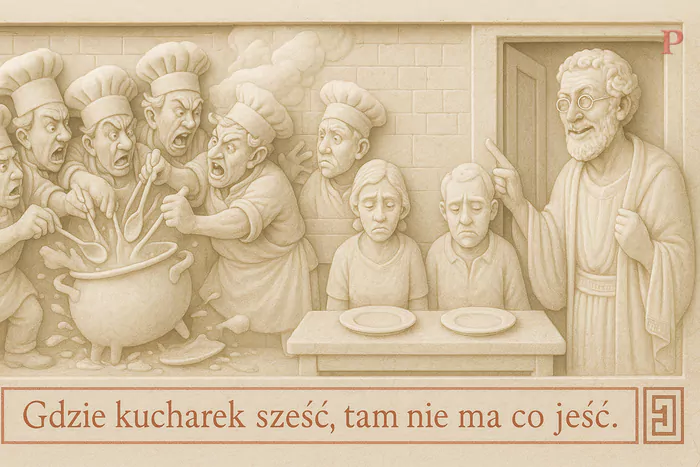
What it means: It means that when too many people take charge of one thing, nobody feels responsible and the work turns out badly or not at all. Poles say it about chaos in a team, in a family or in an office. A typical situation: five people organise one party, each counts on the others, and nobody buys the food.
The equivalent in your language: Too many cooks spoil the broth.
-
Mądry Polak po szkodzie.
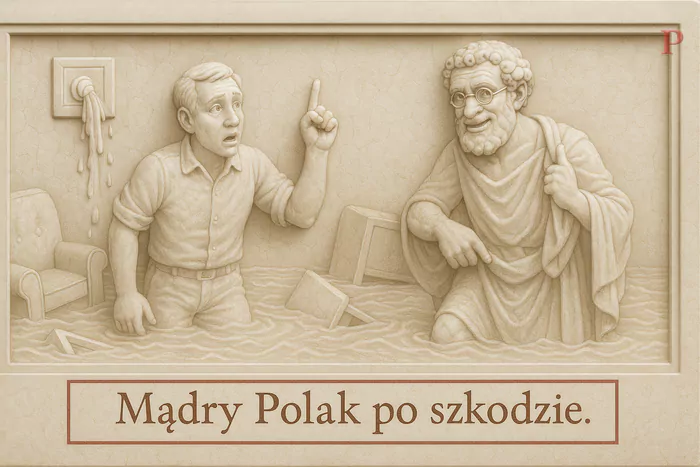
What it means: It means that a person sees the mistake only once everything is over and nothing can be repaired. Poles say it about themselves with self irony, usually right after their own blunder. A typical situation: someone did not insure the flat, the neighbour flooded it, and he sighs: mądry Polak po szkodzie.
The equivalent in your language: Hindsight is always twenty twenty.
-
Wyszło szydło z worka.
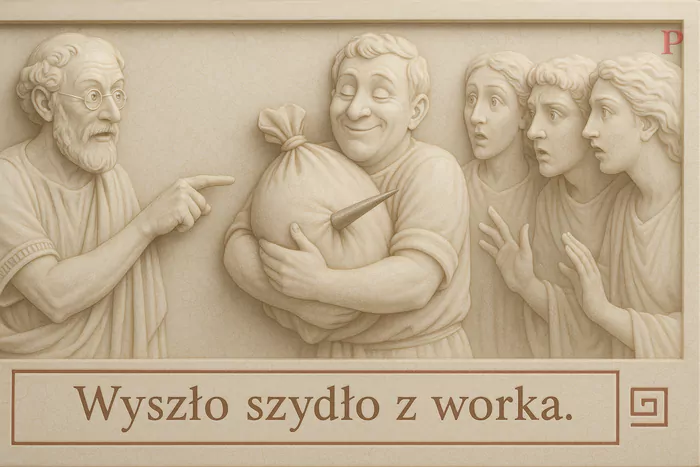
What it means: You say this when a truth somebody was hiding has finally come out. It is used at the moment when a lie or a real intention gives itself away. A typical situation: an employee blamed his absence on illness until someone saw his holiday photos from the seaside.
The equivalent in your language: The cat is out of the bag.
-
Kuj żelazo, póki gorące.
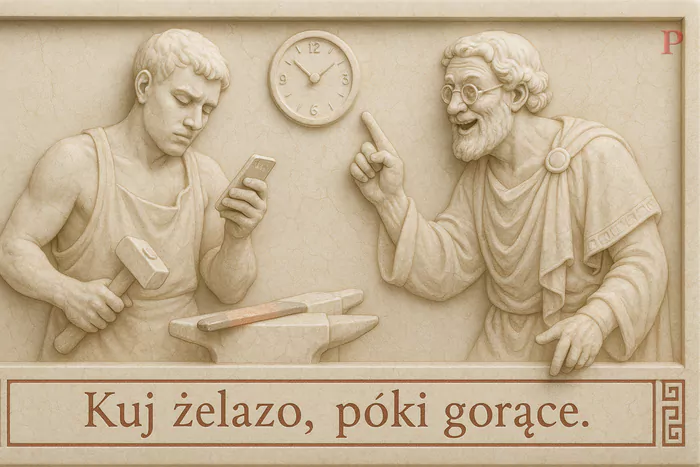
What it means: It means: act now, while the opportunity is still there, because in a moment it will be too late. Poles say it to push someone into a decision or into using a good moment. A typical situation: your boss has just praised your work, so ask for the raise today rather than in a month.
The equivalent in your language: Strike while the iron is hot.
-
Darowanemu koniowi w zęby się nie zagląda.
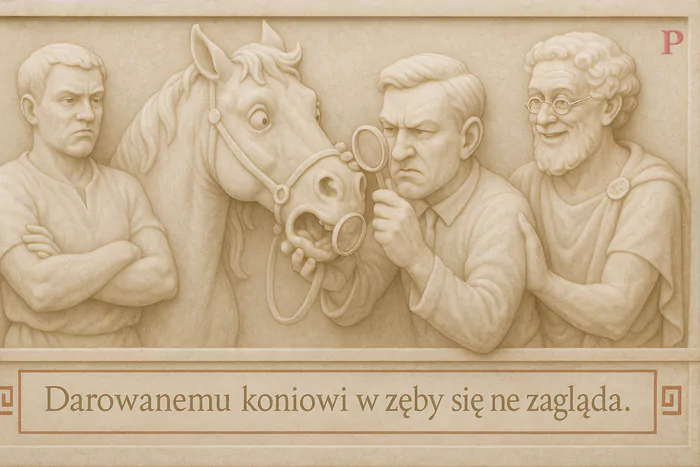
What it means: It means: you do not criticise a gift or free help, you accept it with thanks. It is used when someone is fussy about something he got for nothing. A typical situation: a friend gave you his old washing machine and you complain that it has no dryer.
The equivalent in your language: Don't look a gift horse in the mouth.
-
Co się odwlecze, to nie uciecze.
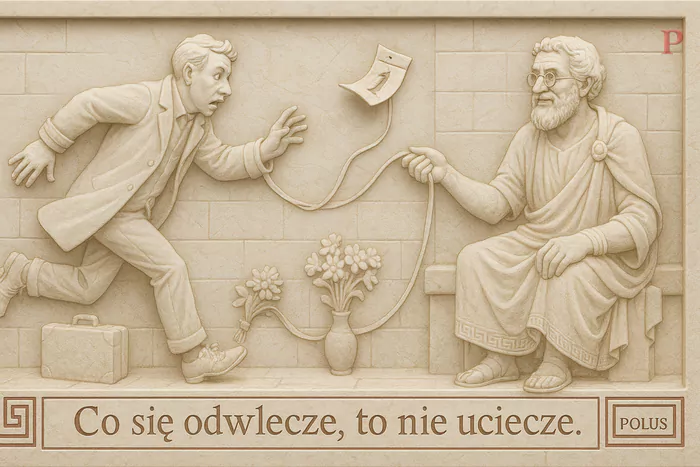
What it means: It means that a postponed matter will still happen, so a delay cancels nothing. Poles say it to comfort someone when plans move, and also half jokingly as a promise that they will come back to the matter. A typical situation: a dentist appointment pushed back by a month, or a wedding moved to next year.
This proverb has no equivalent in your language - you have to learn it as a whole.
-
Jak sobie pościelesz, tak się wyśpisz.

What it means: It means that you will bear the consequences of your own decisions, so prepare everything properly. Poles say it to warn against a careless choice, or to comment on trouble somebody brought on himself. A typical situation: someone signed a contract without reading it and now pays heavy penalties.
The equivalent in your language: You have made your bed, now lie in it.
-
Nie ma tego złego, co by na dobre nie wyszło.
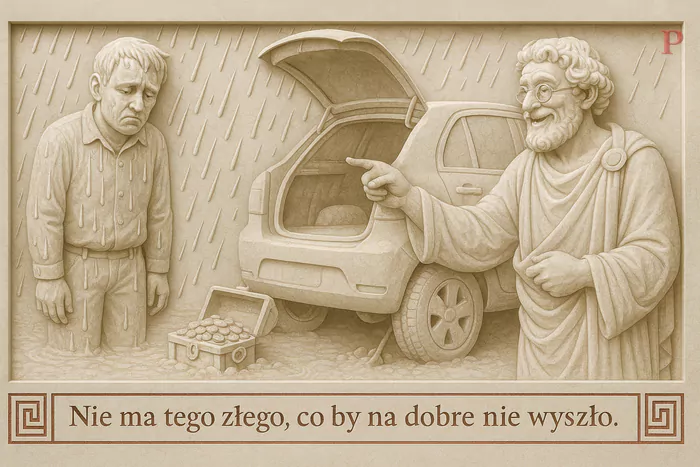
What it means: It means that something good often comes out of an unpleasant event, although you see it only later. Poles say it to comfort someone after a setback, when looking for the bright side. A typical situation: a person loses a job, finds a better one a month later, and hears exactly this line.
The equivalent in your language: Every cloud has a silver lining.
-
Niedaleko pada jabłko od jabłoni.
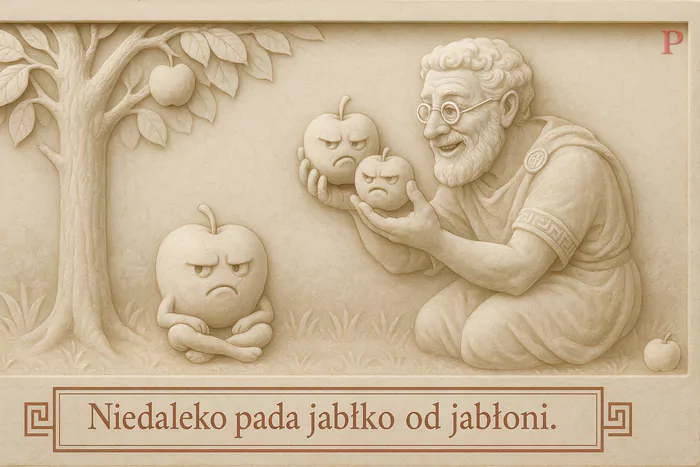
What it means: It means that a child resembles the parents, usually in behaviour or in faults. You use it when commenting on someone's behaviour, most often with irony or as a joke. A typical situation: the son is late just like his father, and the neighbour throws in this line at the gate.
The equivalent in your language: The apple doesn't fall far from the tree.
-
Lepszy wróbel w garści niż gołąb na dachu.
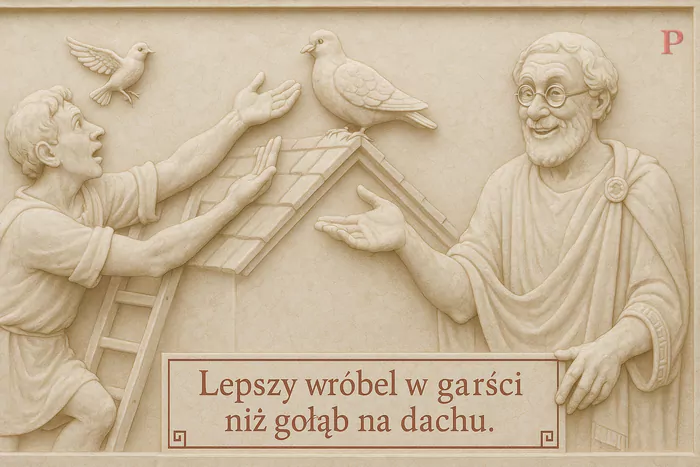
What it means: It means that something certain, even if modest, is worth more than the promise of something bigger. Poles say it to talk someone out of risking a sure thing for an uncertain gain. A typical situation: somebody wants to quit a steady job for a promised contract that nobody has signed yet.
The equivalent in your language: A bird in the hand is worth two in the bush.
-
Cicha woda brzegi rwie.
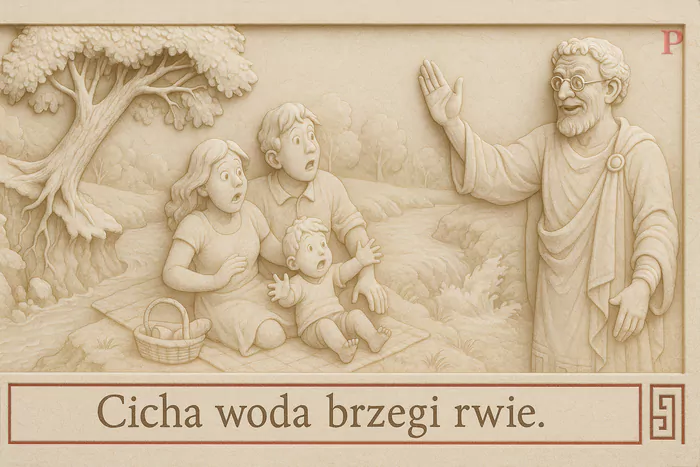
What it means: It means that a quiet, modest person can surprise everyone with strength, courage or temperament. Poles say it with approval or amusement when a shy person does something bold. A typical situation: the quietest colleague in the office suddenly wins the negotiation or turns out to be the best dancer at the party.
The equivalent in your language: Still waters run deep.
-
Nie mój cyrk, nie moje małpy.
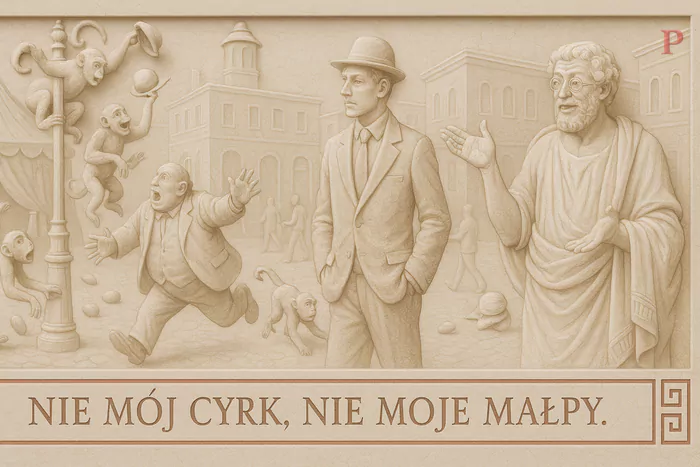
What it means: It means: this is not my business and I am not going to get involved or take responsibility for it. Poles say it while stepping away from other people's quarrels and other people's mess. A typical situation: two colleagues argue about a task that has nothing to do with you, so you shrug and say this line.
The equivalent in your language: Not my circus, not my monkeys (borrowed into English from Polish).